Because the tree removal cost in Sydney is not one clean number. It changes a lot based on the stuff you cannot always see at first glance. Height, trunk width, the way it leans, what species it is, whether it is wedged between two houses, whether a crane can get in, whether the stump is staying, whether the council gets involved. All of that.
So this is a practical breakdown of what actually moves the price up or down. Not vague averages. The real quote stuff.
The quick truth about quotes
Two neighbours can remove two trees that look similar from the street and still get totally different quotes. Usually because of one of these:
- One has clear access, the other needs ropes and rigging over a roof
- One is a softer timber and cuts quickly, the other fights every cut
- One job is simple drop and cut, the other is sectional dismantle piece by piece
- One is in a backyard with a gate, the other is up a steep side path
- One needs council approval or an arborist report, the other does not
That is why tree removal cost in Sydney quotes feel all over the place. They are, sort of. But the logic is consistent.
Let’s get into what matters most.
1. Size is the biggest driver, but not just height
Yes, the bigger the tree, the more it tends to cost. More time. More cuts. More waste. More crew. Sometimes bigger machinery.
But “size” in quoting usually means a few measurements and a few headaches:
Height and canopy spread
A tall tree with a wide canopy takes longer to dismantle safely. Also it produces more green waste, which affects disposal time and tipping fees.
Trunk diameter
A thick trunk adds cutting time and can mean heavier logs that cannot be moved by hand. If the crew needs mechanical help, costs climb fast.
Weight and timber density
Two trees of the same height can have different weights. Dense timber means slower cutting and heavier sections, especially if it is being lowered by rope to avoid damage.
So when people ask why the tree removal cost in Sydney is high for their “not that huge” tree, it is often because the trunk is thick or the timber is dense, not just because it is tall.
2. Species changes everything (yes, really)
This is one people overlook. Species is not just about what it looks like. It affects:
- How easy it is to cut
- How it behaves when it is dismantled
- Whether it drops limbs unpredictably
- How heavy each section is
- Whether it is protected, regulated, or more likely to trigger council questions
Here are some common Sydney situations.
Eucalypts and other dense natives
Many gums grow tall, fast, and close to structures. They also tend to be heavy. If you are removing a large gum near a house, tree removal cost in Sydney can jump because it usually needs careful sectional work, not a straight fell.
Palms
People assume palms are cheap. Sometimes they are. But tall palms can be awkward, fibrous, and time consuming to strip and cut down safely. Disposal is also its own thing because palm waste can be bulky.
Figs, including Morton Bay figs
Figs can be monsters. Big, spreading, and with aggressive roots. If one is close to walls, pipes, or paving, removal can involve extra labour and sometimes stump grinding becomes more important than the removal itself.
Pines and conifers
Some are straightforward, but their height and straight trunk can trick you. If they are near power lines, they become a more technical job very quickly.
Bottom line, species can shift your tree removal cost in Sydney even if the tree is not enormous.
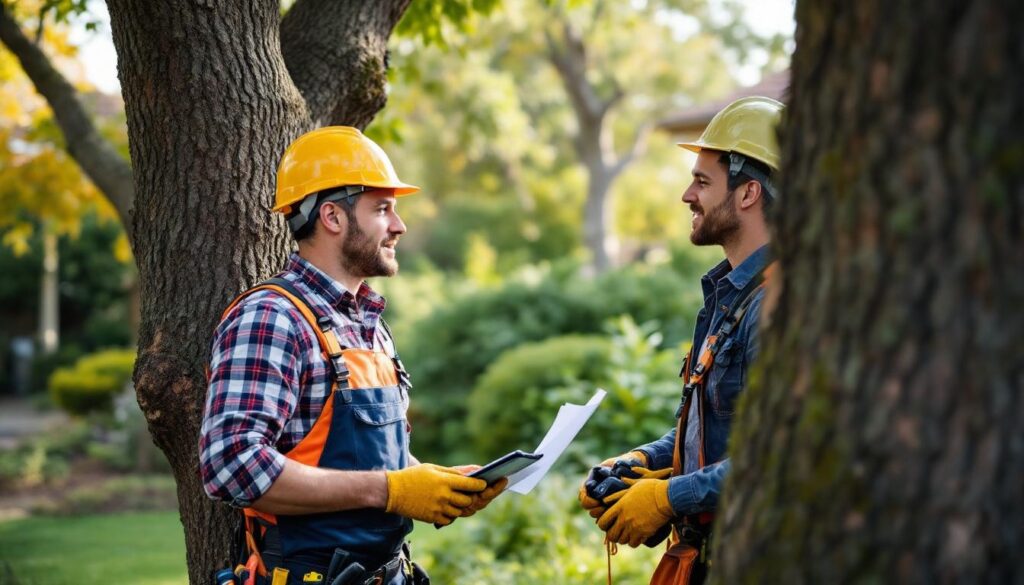
3. Location on the property is where quotes really change
A tree in the front yard with driveway access is one thing. A tree tucked behind a terrace house with only a narrow side path is another.
Arborists price risk and time. Location affects both.
Access and carry distance
If the crew has to carry every branch and log 30 metres through a side gate, you will pay for that labour. If a truck can reverse up close, it is faster, cleaner, cheaper.
Obstacles underneath and around the tree
- Roofs
- Pergolas
- Pools
- Fences
- Sheds
- Glass balustrades
- Landscaped gardens you actually care about
If any of those are in the drop zone, the job becomes a controlled dismantle. That usually means ropes, rigging gear, and slower cutting. And the tree removal cost in Sydney climbs accordingly. Read more about Landscaping and garden design
Slope and ground conditions
Steep blocks, soft ground after rain, or tight retaining walls make it harder to use equipment and harder to move timber. It sounds minor until you watch a crew trying to drag heavy sections uphill.
4. Power lines and service lines are quote multipliers
If your tree is anywhere near:
- Overhead power lines
- NBN lines
- Aerial service cables
- Street lighting cables
Then stop assuming it is a normal job.
In many cases, the arborist needs extra safety controls, more careful lowering, sometimes coordination with the electricity distributor, and sometimes a specifically qualified crew. This is one of the fastest ways the tree removal cost in Sydney increases.
And just to be clear, “near” is not just touching. Proximity is enough.
5. Whether the tree can be felled in one piece
This is the big split in removal types.
Straight fell (cheaper, when possible)
If there is clear space, the tree may be dropped in one direction and processed on the ground. That is usually faster.
Sectional dismantle (more common in Sydney)
In tighter suburbs, most removals are done in sections. The climber removes limbs first, then cuts down the trunk in manageable pieces, often lowering sections to avoid property damage.
Sectional work takes time, and time is money. That is why tree removal cost in Sydney can feel high in built up areas, even for trees that are not huge.
6. Stump removal and grinding: optional, but often worth it
Many quotes will separate tree removal and stump grinding. That is normal.
Stump grinding cost depends on:
- Stump diameter
- Root flare size
- Access for the stump grinder
- Depth required (surface grind vs deeper grind for replanting or turf)
If you are thinking about paving, turf, replanting, or just not wanting a trip hazard, stump grinding is usually the cleaner finish. But it does add to the overall tree removal cost in Sydney.
Also, if access is tight and the grinder cannot fit through a gate, the crew might need a smaller machine or more manual work. That affects price.
7. Waste removal and clean up can be a big chunk of the price
People focus on the cutting, but green waste is often where the hours go.
A good quote should clarify:
- Are all branches and logs removed?
- Is the site left raked and tidy?
- Are woodchips taken away or left on site?
- Is there an option to keep firewood sections?
If you keep mulch or logs, sometimes you can reduce disposal costs. Not always huge savings, but sometimes meaningful. And yes, it can affect the final tree removal cost in Sydney.
8. Council rules and protected trees can add steps
Sydney is not one single council area, obviously. Each council has its own rules around tree removal, protected species, minimum trunk diameter, heritage overlays, and exemptions.
If approval is required, you might need:
- An arborist report
- A development application or permit
- Photos, measurements, site plans
- Waiting time
Even if the removal itself is simple, the admin and compliance side can add cost, or delay, or both. This is another reason tree removal cost in Sydney can be higher than people expect, because you are not just paying for a saw and a truck.
If you are unsure, ask the arborist what they need from you, and whether they can help with documentation. Some do. Some do not.
9. Emergency removals, storm damage, and hazardous trees
If a tree has dropped limbs, split, or is hanging over a roof after a storm, the job changes. It becomes more urgent and usually more dangerous.
Emergency call outs can involve:
- After hours work
- Extra crew
- Traffic control
- Fast scheduling
- Higher risk cutting
So yes, the tree removal cost in Sydney is typically higher for storm damaged or unstable trees. You are paying for a riskier job done faster.
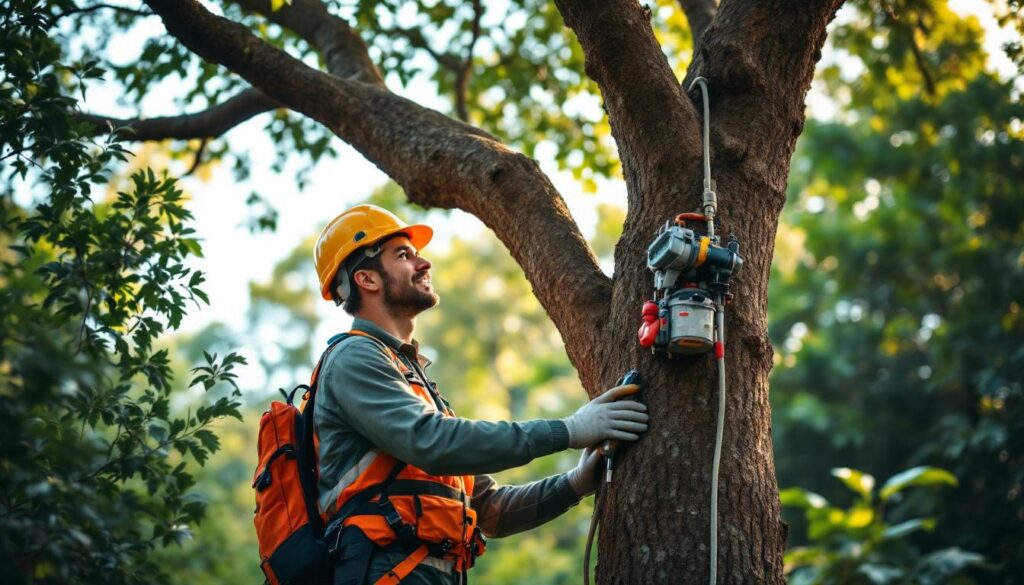
10. So what does a “normal” quote include?
It varies, but a solid professional quote usually covers:
- Site inspection (sometimes free, sometimes not)
- Risk assessment and method (fell or dismantle)
- Labour and equipment
- Insurance (public liability, workers comp)
- Waste removal and tipping fees (if included)
- Clean up level
- Optional stump grinding line item
If a quote is vague, ask questions. Not in a suspicious way. Just practical ones. What is included, what is excluded, and what could change on the day.
Because with tree removal cost in Sydney, surprises usually come from assumptions.
A simple checklist to get a more accurate quote (and avoid back and forth)
Before you book an on site quote or send photos, it helps to gather:
- A couple of photos showing the whole tree and the base
- A photo showing nearby obstacles (roof, fence, power lines)
- Approximate height (even a guess helps)
- Access info (side gate width, stairs, slope)
- Whether you want stump grinding
- Whether you want woodchips or firewood left on site
This speeds everything up and tends to get you a tighter quote range.
Wrapping it up
The tree removal cost in Sydney comes down to three big things: how big it is, what type of tree it is, and where it sits on your property. Then the add ons. Power lines, access, stump, waste, council rules, urgency.
If you want the cheapest possible removal, the tree needs to be small, easy to reach, safe to fell, and simple to clean up. Most Sydney yards do not tick all those boxes. Which is why quotes are often higher than people expect.
If you are getting quotes now, focus less on chasing the lowest number and more on understanding the method and inclusions. A careful, insured, experienced crew is not the place to gamble.
Related : Palm Tree Pruning: When and How Often Should Sydney Homeowners Book?