At busy competitions where trophies, certificates, and sponsor banners compete for attention, a well-designed medal becomes the one object everyone holds, photographs, and takes home. That makes the details matter far more than most organisers expect.
What do custom medals communicate that standard medals cannot?
Custom Sports Medals communicate identity and meaning in a single glance. A custom medal tells competitors, spectators, and sponsors that the event is serious and thoughtfully run.
Standard medals often look interchangeable across sports and years. Custom medals, by contrast, signal a specific moment in time: the 2026 edition, a new course, an anniversary, or a record-breaking field. That specificity is what makes the award feel earned rather than simply handed out.
How does event storytelling make a medal more memorable?
It makes the medal feel like a souvenir of a shared experience. When the design references the venue, the route, the team badge, or a local landmark, athletes can relive the day instantly.
Even small storytelling choices work well, such as including the event motto, the age group icon, or the distance. These cues help the medal carry context, so it does not need explaining months later when it is shown to friends or displayed at home.
Why do shape and silhouette matter so much in a medal’s impact?
They create immediate recognition from a distance. A distinctive outline looks better in photos, on lanyards, and on display boards than a basic round disc.
Unusual silhouettes also help differentiate placements without relying only on colour. A shield, star, map outline, or sport specific shape can turn the medal into a symbol of the event, which is exactly what athletes want when they invest time and training to compete.
How do materials and weight influence perceived value?
They make the medal feel substantial and “real” in the hand. Heavier medals and higher quality finishes often read as more prestigious, even before anyone looks closely at the design.
Metal choice, thickness, and plating affect that perception. A solid feel, clean edges, and consistent finish reduce the “mass produced” impression. Competitors may not know the technical specs, but they notice when a medal feels flimsy or looks patchy.
Which design details create a premium look without overcomplicating it?
They are the details that add depth and clarity, not clutter. Clean typography, well spaced elements, and crisp iconography usually look more premium than trying to fit every sponsor and slogan on the front.
Techniques like enamel fills, raised and recessed areas, textured backgrounds, and polished highlights can add contrast. When used sparingly, these features make the medal catch light in photos and feel more considered in person.
How do ribbons and packaging contribute to the “wow” moment?
They complete the presentation and improve first impressions. A custom ribbon with event colours, the year, or sponsor marks makes the medal feel official the second it is placed around someone’s neck.
Packaging can matter most for invitationals, championships, and corporate games. A simple branded pouch or box protects the finish and adds ceremony, especially for awards given on a stage or at a dinner. It also reduces scuffs from transport, which keeps medals looking new in winners’ photos.
What role does personalisation play in making medals stand out?
It makes the medal uniquely theirs. Adding names, finishing times, team names, or category titles transforms an award into a personal record.
Personalisation also helps at multi-division events, where medals can otherwise look identical. Engraving, printed inserts, or backside custom text can separate “Participant”, “Finisher”, and “Podium” awards clearly, while still keeping the overall design consistent.
How can organisers balance sponsor visibility with good design?
They can prioritise brand presence without sacrificing readability. Sponsors matter, but athletes should not feel like they are receiving an advert.
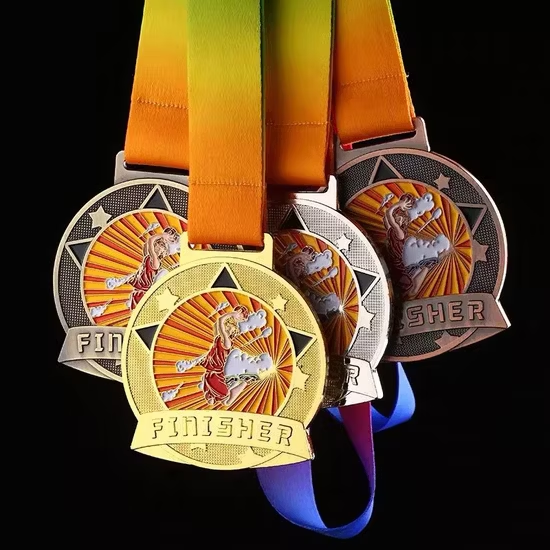
A good approach is placing key sponsors on the ribbon, the reverse, or in a clean border area rather than crowding the main artwork. Consistent sizing and fewer logos often look more premium and can actually reflect better on sponsors because the medal is more likely to be kept and displayed. See best custom medals for events and ceremonies.
Why do consistency and series design help competitions build prestige?
They build recognition across years and encourage repeat participation. When events use a consistent design language, athletes can spot the series instantly and collect medals that look cohesive together.
This works especially well for leagues, annual runs, school tournaments, and multi-race challenges. Keeping a shared motif while changing the year, colour accents, or central icon gives competitors a reason to return, because each medal feels like the next chapter in a set.
What practical choices keep custom medals looking great on the day?
They involve planning for wear, weather, and handling. Durable finishes, scratch-resistant coatings, and sensible enamel placement reduce damage during transport and presentation.
Good quality control also matters. Clean casting, even plating, correct colour matching, and properly attached ribbon loops prevent embarrassing issues at the podium. When medals look consistent across the batch, winners’ photos look better, and organisers avoid last-minute fixes.
What makes a custom medal truly stand out in the end?
It stands out when it feels specific, well-made, and worthy of the effort behind it. If the medal reflects the event’s identity, looks strong in photos, and feels substantial in the hand, competitors will treat it like a real achievement rather than a generic token.
That is the difference that people remember long after the finishing tape, the final whistle, or the awards ceremony.
FAQs (Frequently Asked Questions)
What makes custom sports medals more meaningful than standard medals?
Custom sports medals communicate identity and meaning at a single glance, reflecting the event’s story, location, and level. Unlike standard medals which often appear interchangeable across sports and years, custom medals mark a specific moment in time—such as an anniversary or a new course—making the award feel truly earned rather than simply handed out.
How does storytelling enhance the memorability of event medals?
Event storytelling makes medals feel like souvenirs of shared experiences by incorporating design elements referencing the venue, route, team badge, or local landmarks. Even subtle details like the event motto or age group icons add context that helps athletes instantly relive the day and easily explain their achievement months later.
Why are shape and silhouette important in a medal’s design?
Shape and silhouette create immediate recognition from a distance and enhance visual impact in photos and displays. Distinctive outlines—such as shields, stars, or sport-specific shapes—differentiate placements beyond colour alone and transform the medal into a symbol of the event, which athletes value highly for representing their dedication.
In what ways do materials and weight affect the perceived value of medals?
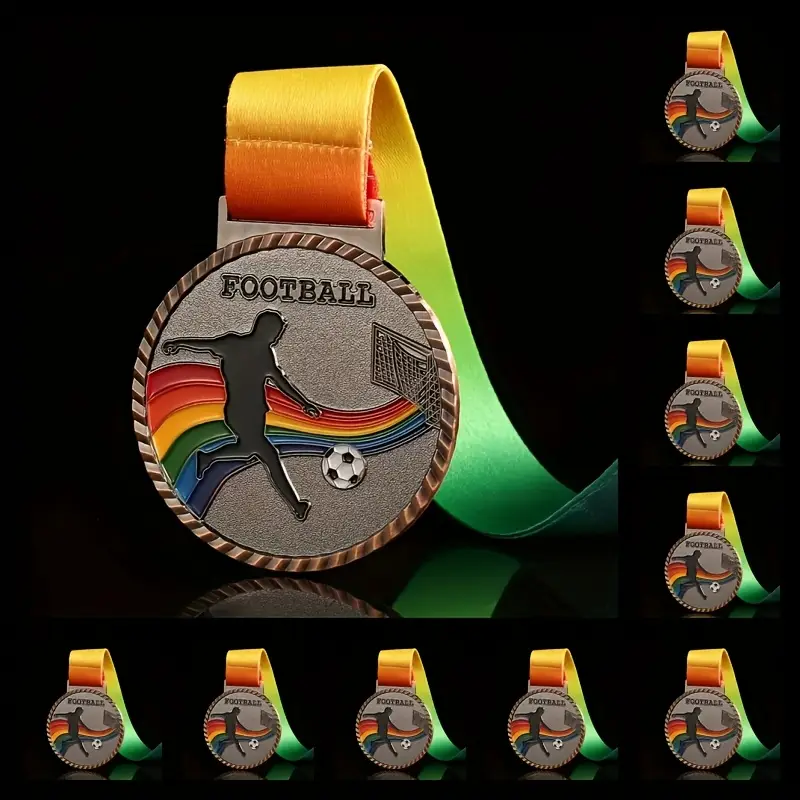
Materials and weight contribute to a medal’s substantial feel, signalling prestige even before examining design details. Choices like metal type, thickness, plating quality, clean edges, and consistent finishes reduce any impression of mass production. Competitors may not know technical specs but instinctively recognise when a medal feels solid versus flimsy.
How can organisers balance sponsor visibility with maintaining good medal design?
Organisers can showcase sponsors without overcrowding the main artwork by placing key logos on ribbons, reverses, or border areas. Prioritising consistent sizing and fewer logos creates a premium look that athletes appreciate more. This approach increases the likelihood that medals are kept and displayed, ultimately benefiting sponsors through better brand association.
What role do ribbons and packaging play in enhancing the overall medal experience?
Ribbons and packaging complete the presentation by adding official flair and improving first impressions. Custom ribbons featuring event colours or sponsor marks make medals feel prestigious when awarded. Quality packaging—like branded pouches or boxes—adds ceremony during presentations, protects finishes from damage during transport, and ensures medals look pristine in winners’ photos.