What is the medal meant to recognise?
They should decide whether the medal celebrates participation, placement, fundraising, or a specific milestone. That single decision shapes everything else, from size and finish to how premium it needs to feel.
Custom Event Medals can vary in style depending on the occasion. A fun run finisher medal can be bold and playful, while a championship podium medal usually needs higher weight, richer plating, and more traditional styling. If there are multiple categories, a consistent “family” of designs helps the set look intentional.
Who will receive the medals, and what will they value?
They should choose with the recipients in mind, not the organisers. Children often love bright colours, characters, and chunky shapes, while corporate teams may prefer cleaner lines and a more understated finish.
If recipients are travelling home, lighter medals reduce luggage complaints. If the event is outdoors or muddy, textured surfaces can hide scratches better than mirror finishes. If the event attracts collectors, unique shapes and numbered editions can increase perceived value.
How many medals are needed, and how does quantity affect price?
They should confirm expected numbers early because quantity drives unit cost. Most suppliers price by tooling plus per-unit production, so small runs can be disproportionately expensive.
It also helps to plan spares. A sensible buffer covers registration surprises, damaged items, and replacement requests. If exact attendance is uncertain, organisers can ask suppliers about split shipments or staged production, but that usually needs more lead time.
What size, weight, and shape will feel right in hand?
They should aim for a medal that feels satisfying without being awkward to wear. Larger medals look impressive in photos, but if they are too heavy they bounce while running and annoy participants.
Common sizes sit in the 60–80 mm range, though unusual shapes can stand out if they still sit flat on the chest. Thickness matters too. A slightly thicker medal often feels more premium than a wider but thin one.
Which materials and finishes match the event and budget?
They should pick a material and finish that fits the event tone and the price point. Zinc alloy is popular for detailed designs, iron can be cost-effective, and acrylic can be vibrant and lightweight for budget-friendly runs.
Finishes change the entire look. Antique plating highlights texture, polished plating looks modern, and matte finishes hide fingerprints. If they want colour, enamel fills can be bold, but more colours typically add cost and complexity.
How should the design reflect the event brand and story?
They should treat the medal like a miniature poster. Clear event name, year, and location help it remain meaningful years later, and a strong central motif makes it recognisable in photos.
If the event has a cause, route, mascot, or landmark, those details can become the design anchor. Clean hierarchy matters. Too much text makes the medal hard to read, especially on smaller sizes, so they should prioritise what must be remembered.
What ribbon style will participants actually want to wear?
They should choose ribbons as carefully as the medal because ribbons carry most of the visible branding on the day. Width affects comfort, and a soft, smooth weave sits better on the neck.
Printing can be simple text, repeated logos, patterns, or gradients. They should ensure the ribbon colours complement the medal finish and do not clash with event branding. A dated ribbon can make the whole medal feel generic, even if the medallion is great.
Should they add custom features like engraving, numbering, or spinners?
They should add upgrades only if they reinforce the event experience. Back engraving can include a finisher’s name, bib number, time, or distance, but it requires data accuracy and extra handling time.
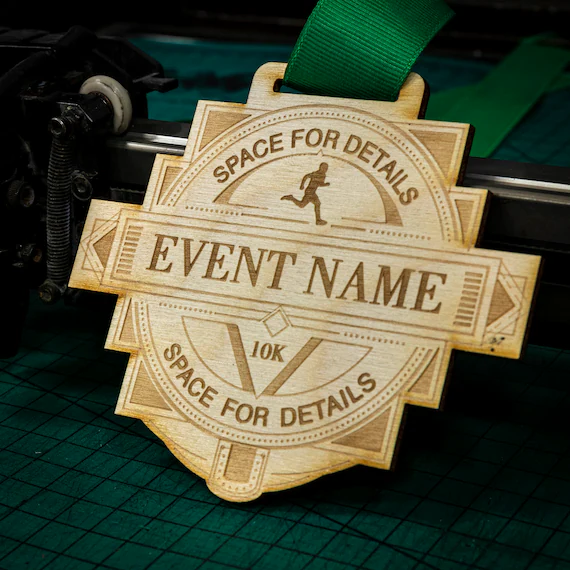
Sequential numbering can create collectability and help with inventory control. Spinners, sliders, cut-outs, and layered designs can look premium, but they raise the risk of delays if approvals or tooling change late. See how premium sports medals are designed.
How can they avoid common ordering mistakes?
They should lock the essentials early: quantity, size, finish, ribbon type, and delivery date. Most issues come from late changes, unclear artwork, or approving proofs too quickly.
They should also request a digital proof that shows plating colour, enamel colours, and ribbon layout. If possible, they can ask for a pre-production sample, especially for new suppliers. It costs more, but it can prevent a bulk mistake that costs far more.
What lead times should they plan for, including shipping and approvals?
They should assume the calendar will slip unless managed tightly. Design, proofing, production, and shipping each take time, and delays often happen during approval stages.
A safer plan builds in time for revisions, supplier questions, and unexpected shipping disruptions. If the event date is close, they should be honest about deadlines and ask what can be simplified to meet them, such as fewer colours or a standard ribbon.
How can they choose a supplier they can trust?
They should choose suppliers who communicate clearly, provide detailed proofs, and are upfront about timelines. Transparent pricing that separates tooling, unit cost, and shipping is a good sign.
They should check real photos of past work, not just mock-ups. It also helps to ask about quality control, packaging options, and replacement policies. A reliable supplier will explain how they handle defects, shortages, and last-minute changes.
What is a practical checklist before they place the order?
They should confirm the event details, approve the design, and ensure the logistics are realistic. A quick checklist prevents most problems.
- Final quantity plus spares agreed
- Medal size, thickness, and finish confirmed
- Ribbon width, length, and printing approved
- Year and spelling checked, including location and sponsors
- Packaging and distribution plan decided
- Delivery date confirmed in writing with a buffer
When they align purpose, design, budget, and lead time, custom medals become a highlight, not a headache. The best medals feel like they belong to that specific event and could not be swapped with any other.
FAQs (Frequently Asked Questions)
What should I consider when choosing the purpose of custom event medals?
Decide whether the medal recognises participation, placement, fundraising, or a specific milestone. This decision influences size, finish, and how premium the medal needs to feel. For example, fun run finisher medals can be bold and playful, while championship podium medals often require higher weight and traditional styling.
How do recipient preferences affect the design of event medals?
Design choices should reflect who will receive the medals. Children may prefer bright colours and chunky shapes, while corporate teams might opt for cleaner lines and understated finishes. Consider factors like travel—lighter medals reduce luggage issues—and event conditions; textured surfaces can hide scratches better than mirror finishes.
How does quantity influence the cost and ordering process of custom medals?
Quantity significantly affects unit cost since suppliers charge for tooling plus per-unit production. Small runs can be disproportionately expensive. It’s wise to plan for spares to cover unexpected attendance or damaged items. If attendance numbers are uncertain, discuss split shipments or staged production with suppliers, keeping in mind this usually requires more lead time.
What materials and finishes are best suited for different event medals and budgets?
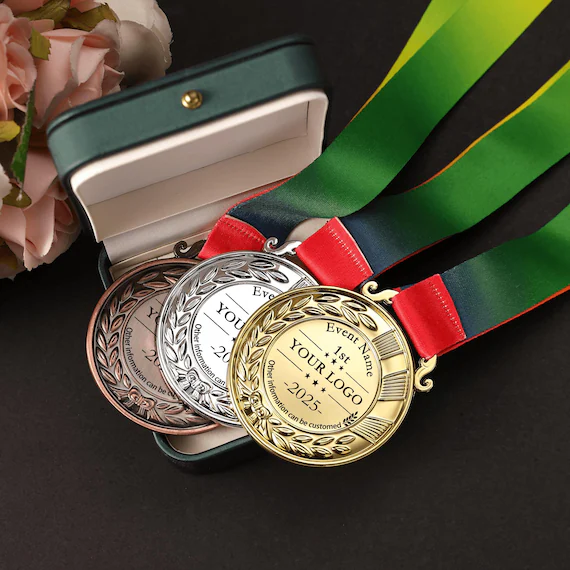
Choose materials that match your event’s tone and budget. Zinc alloy is great for detailed designs, iron offers cost-effectiveness, and acrylic provides vibrant colours at a budget-friendly price. Finishes like antique plating highlight texture, polished plating looks modern, and matte finishes conceal fingerprints. Enamel fills add bold colour but increase costs.
How can I ensure my medal design effectively represents the event brand and story?
Treat your medal like a miniature poster by including clear event name, year, and location to keep it meaningful over time. Incorporate central motifs such as causes, routes, mascots, or landmarks to anchor the design. Maintain clean hierarchy by avoiding excessive text that can make smaller medals hard to read; prioritise key information that must be remembered.
What are common pitfalls to avoid when ordering custom event medals?
Lock in essentials early: quantity, size, finish, ribbon type, and delivery date. Avoid late changes or unclear artwork that can cause delays or errors. Request digital proofs showing plating colour, enamel details, and ribbon layout. If possible, obtain a pre-production sample from new suppliers to prevent costly bulk mistakes.