Choosing funeral wreaths can feel surprisingly hard, especially when they’re trying to express sympathy quickly, respectfully, and in a way that suits the person who has passed. In Australia, wreath choices also depend on where the service is held, what the family prefers, and what a florist can deliver on time.
This guide covers what they should know before ordering, from symbolism and sizing to messages, delivery, and common etiquette.
What do funeral wreaths represent in Australia?
Funeral wreaths traditionally symbolise eternal life and ongoing remembrance because of their circular shape. In Australian services, they’re most often used as a visible tribute from family, friends, workplaces, community groups, or sporting clubs.
They also communicate presence. When someone can’t attend a service in Sydney, Melbourne, Brisbane, Perth, Adelaide, Hobart, Canberra, or regional towns, a wreath can stand in as a formal expression of condolence.
Which types of funeral wreaths are most common?
The most common funeral wreaths in Australia are circular wreaths on an easel, smaller table wreaths, and heart-shaped or cross-shaped designs. Florists may also offer “open” wreaths (with a gap) and native wreath styles.
Most buyers choose a classic round wreath because it suits almost any venue, from chapel services to graveside committals, and it’s instantly recognised as a condolence arrangement.
How do they choose the right size wreath?
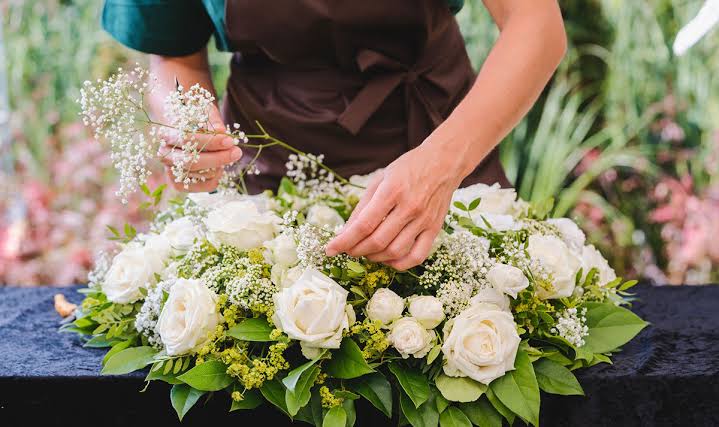
They should choose size based on relationship, venue, and budget, then confirm what the funeral home or cemetery can accommodate. As a rough guide, larger funeral wreaths suit immediate family, and medium sizes suit close friends or group tributes.
Smaller wreaths can be appropriate for intimate services or when multiple tributes will already be present. If the service is at a suburban chapel with limited space, a florist can recommend a proportion that won’t overcrowd the display.
What flowers are appropriate for funeral wreaths in Australia?
Appropriate flowers are those that are seasonally available and culturally respectful, and Australian florists often guide this well. Common choices for funeral wreaths include lilies, roses, chrysanthemums, carnations, orchids, and greenery for structure.
Native options like waratahs, banksias, proteas, and gum can feel especially fitting for an Australian farewell. They may also hold up better in warm conditions for outdoor services in Queensland, WA, or regional NSW.
Do colours matter when choosing a funeral wreath?
Yes, colour changes the tone immediately, and they should match it to the person and the family’s preferences. White funeral wreaths are the most traditional and usually safest, signalling peace and respect.
Soft pinks and purples often communicate tenderness and grief, while blues can feel calm and reflective. Bright mixed colours can be suitable when the family has requested a “celebration of life” style, but it’s best confirmed before ordering.
What should they write on the ribbon or card?
They should keep the message short, clear, and personal, especially if it will be read publicly. Many funeral wreaths include a ribbon with a brief tribute and a card with a longer note.
Common ribbon wording in Australia includes:
- “In Loving Memory”
- “Forever in Our Hearts”
- “Rest in Peace”
- “With Deepest Sympathy”
- “Loved and Remembered”
If they’re unsure, using the deceased’s name and the sender’s name is enough. For example: “In Loving Memory of Peter. From the Nguyen Family.”
Who usually sends funeral wreaths, and when is it appropriate?
Anyone can send funeral wreaths, but they’re most common from close family, friendship groups, colleagues, community organisations, RSL sub-branches, and clubs. They’re especially appropriate when the group wants a single collective tribute.
If the family has requested “no flowers,” they should respect that and choose an alternative such as a donation, a condolence card, or a meal delivery. If the notice says “flowers welcome,” a wreath is generally acceptable.
Where should funeral wreaths be delivered in Australia?
They can usually be delivered to the funeral director, the service venue, the family home, or directly to the cemetery, but the best option depends on timing. Most Australian florists recommend delivery to the funeral home because staff can place funeral wreaths correctly and on time.
They should confirm:
- Full service address and time
- Name of the deceased (spelling matters)
- Contact number for the funeral arranger
- Any placement instructions (chapel, viewing room, graveside)
For regional deliveries, they should order earlier because courier runs can be limited.
How far in advance should they order a wreath?
They should order as soon as they know the service details, ideally 24 to 72 hours ahead. For weekend services, public holidays, or remote areas, earlier is safer because funeral wreaths rely on fresh stock and delivery windows.
If it’s last minute, they should call the florist rather than relying on an online checkout. A local Australian florist can often adjust flower selection to what’s freshest that day while keeping the intended look and colour palette.
What etiquette should they know before sending a wreath?
They should follow the family’s wishes first, then keep it simple and respectful. In Australia, it’s also helpful to consider whether the service is religious, military, or culturally specific, since funeral wreaths may be displayed differently.
Good etiquette checks include:
- Avoid strong humour or overly casual wording on ribbons
- Don’t assume religious phrases are welcome
- If sending as a workplace, confirm the sign-off name
- If the family is private, send the wreath to the funeral home rather than the home address
When in doubt, a florist and the funeral director can advise what’s typical for the venue.
Are there cultural and religious considerations they should be aware of?
Yes, and they should never guess if they’re unsure. Some faiths and cultures in Australia have specific practices around flowers, colours, and timing, and funeral wreaths may be welcome, restricted, or discouraged.
If they know the family’s background, they can ask a close relative or the funeral director what is appropriate. Even a small change, such as colour choice or wording, can better align with cultural expectations and avoid causing discomfort.
What alternatives exist if they don’t want a traditional wreath?
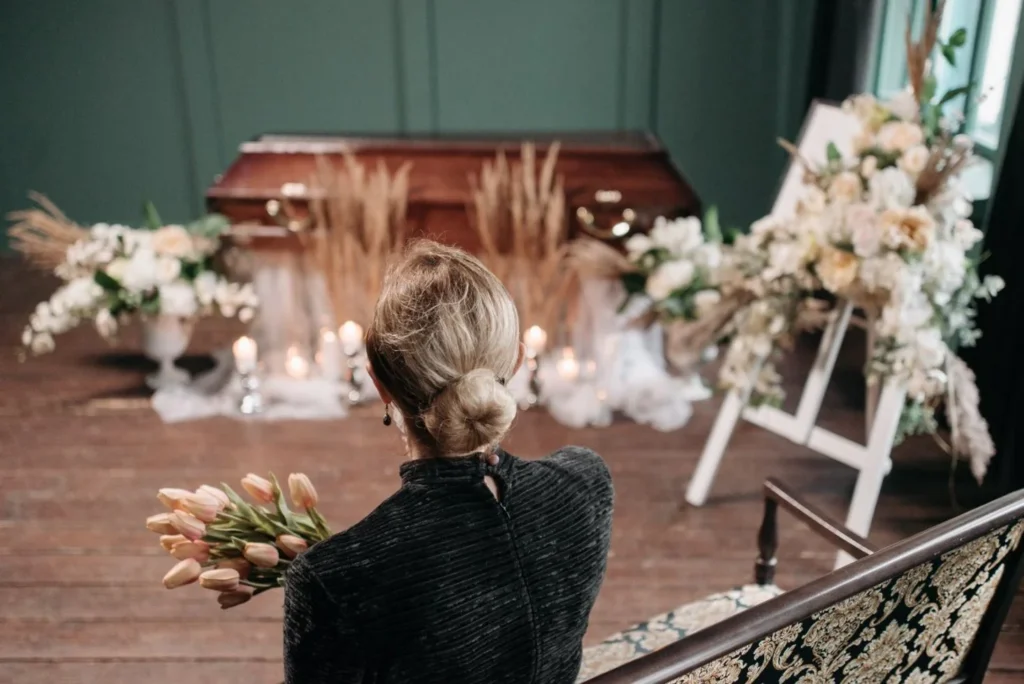
If they want something similar but less formal, they can choose a sympathy bouquet, a vase arrangement, a native sheaf, or a small condolence posy. Some people prefer living tributes such as a potted plant, depending on what the family can take home.
They can also choose a donation in lieu of flowers, which is common in Australian funeral notices. In that case, they might still send a card explaining the donation, so the family knows support has been offered.
How can they balance budget with meaning?
They can focus on a strong shape, a consistent palette, and good-quality foliage rather than chasing rare blooms. Many funeral wreaths look elegant because of proportion and restraint, not because they use the most expensive flowers.
If budget is tight, they can:
- Choose seasonal flowers
- Select a smaller size with premium greenery
- Send a group wreath and split the cost
- Ask the florist for “best value in whites” or “best value in natives”
A well-composed wreath at a modest price still reads as thoughtful and respectful.
What final checks should they do before confirming the order?
They should confirm details that prevent common mistakes, especially when emotions are high and timelines are short. Before paying, they should check the name spelling, the service time, ribbon wording, and delivery instructions for funeral wreaths.
They should also request a delivery confirmation and, if possible, a photo from the florist. That small step can provide reassurance that the tribute arrived as intended, placed appropriately, and represented their condolences with care.
In Australia, funeral wreaths traditionally symbolize eternal life and ongoing remembrance due to their circular shape. They serve as visible tributes from family, friends, workplaces, community groups, or sporting clubs and communicate presence, especially when someone cannot attend the service.
The most common funeral wreaths in Australia include circular wreaths on easels, smaller table wreaths, and heart-shaped or cross-shaped designs. Classic round wreaths are preferred for their versatility across venues such as chapel services and graveside committals.
Choosing the right size depends on the relationship to the deceased, venue space, and budget. Larger wreaths suit immediate family members; medium sizes fit close friends or group tributes; smaller wreaths are ideal for intimate services or when multiple tributes are present. It’s important to confirm with the funeral home or cemetery regarding size restrictions.
Appropriate flowers include seasonally available and culturally respectful varieties such as lilies, roses, chrysanthemums, carnations, orchids, and greenery. Native Australian flowers like waratahs, banksias, proteas, and gum leaves are also fitting choices that endure well in warm outdoor conditions.
Yes. White is traditional and signals peace and respect; soft pinks and purples convey tenderness and grief; blues evoke calmness and reflection. Bright mixed colors may be suitable for a ‘celebration of life’ service but should be confirmed with the family beforehand.
Respecting the family’s wishes is paramount. Avoid casual or humorous wording on ribbons; do not assume religious phrases are appropriate; confirm sign-off names if sending from workplaces; consider cultural or military aspects of the service. If ‘no flowers’ are requested, alternatives like donations or condolence cards should be chosen instead.